
Remaining tooth
The amount and condition of tooth structure influence what restorative routes should be discussed.

Dental care · Istanbul
Before choosing a restoration
A crown or bridge should be discussed in relation to the clinical condition beneath and around it. Examination comes before selecting the restorative route.
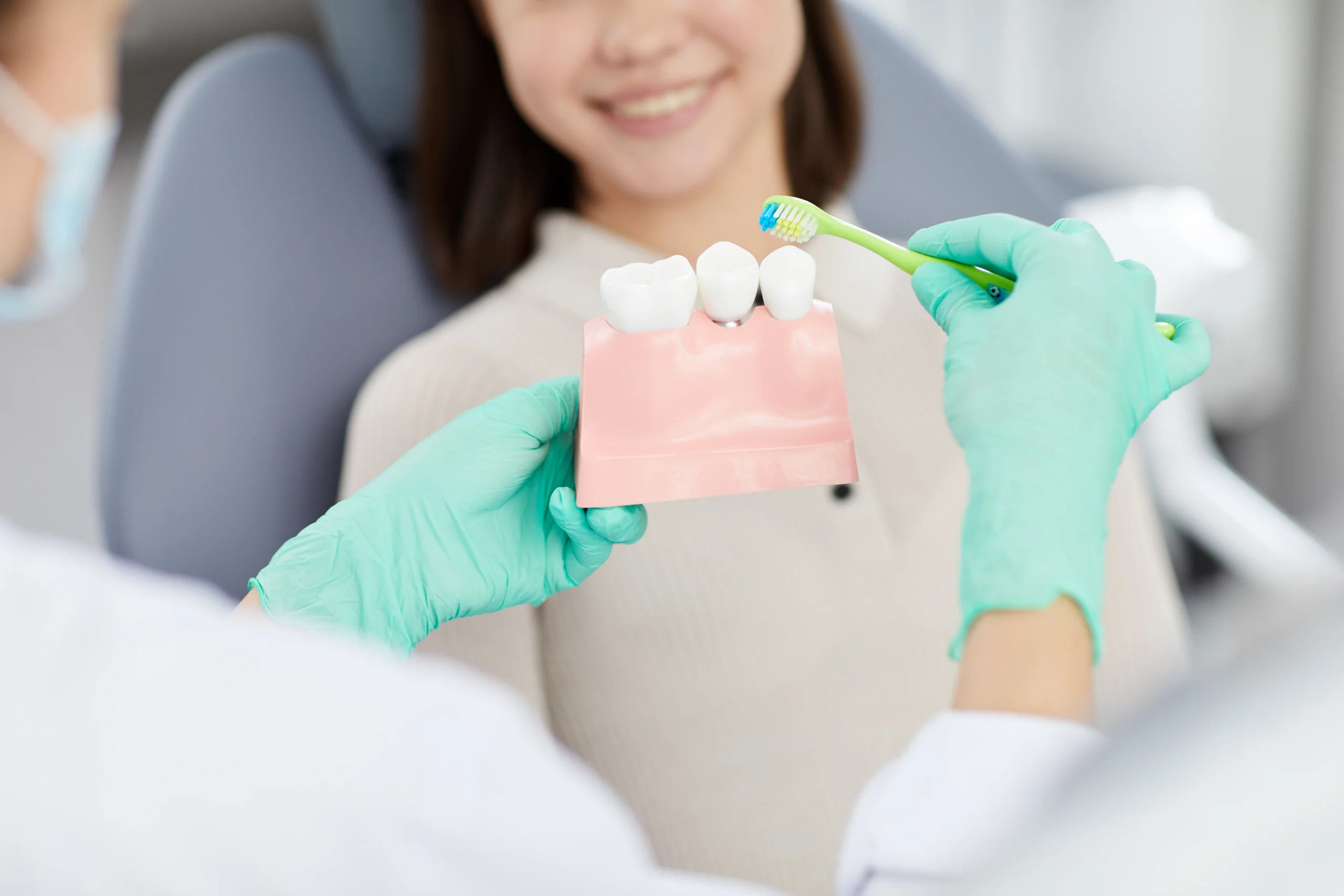
The amount and condition of tooth structure influence what restorative routes should be discussed.
For a bridge, the supporting teeth and the wider clinical context require direct assessment.
Gum and supporting-tissue health form part of the restorative picture, not a separate cosmetic detail.
How the teeth meet can affect the design, material discussion and final restorative direction.
Clinical planning
Fixed restorative treatment is considered in relation to the tooth, supporting structures and the way the teeth function together.
The amount and condition of the remaining tooth can influence whether broader coverage is considered and what alternatives should be discussed.
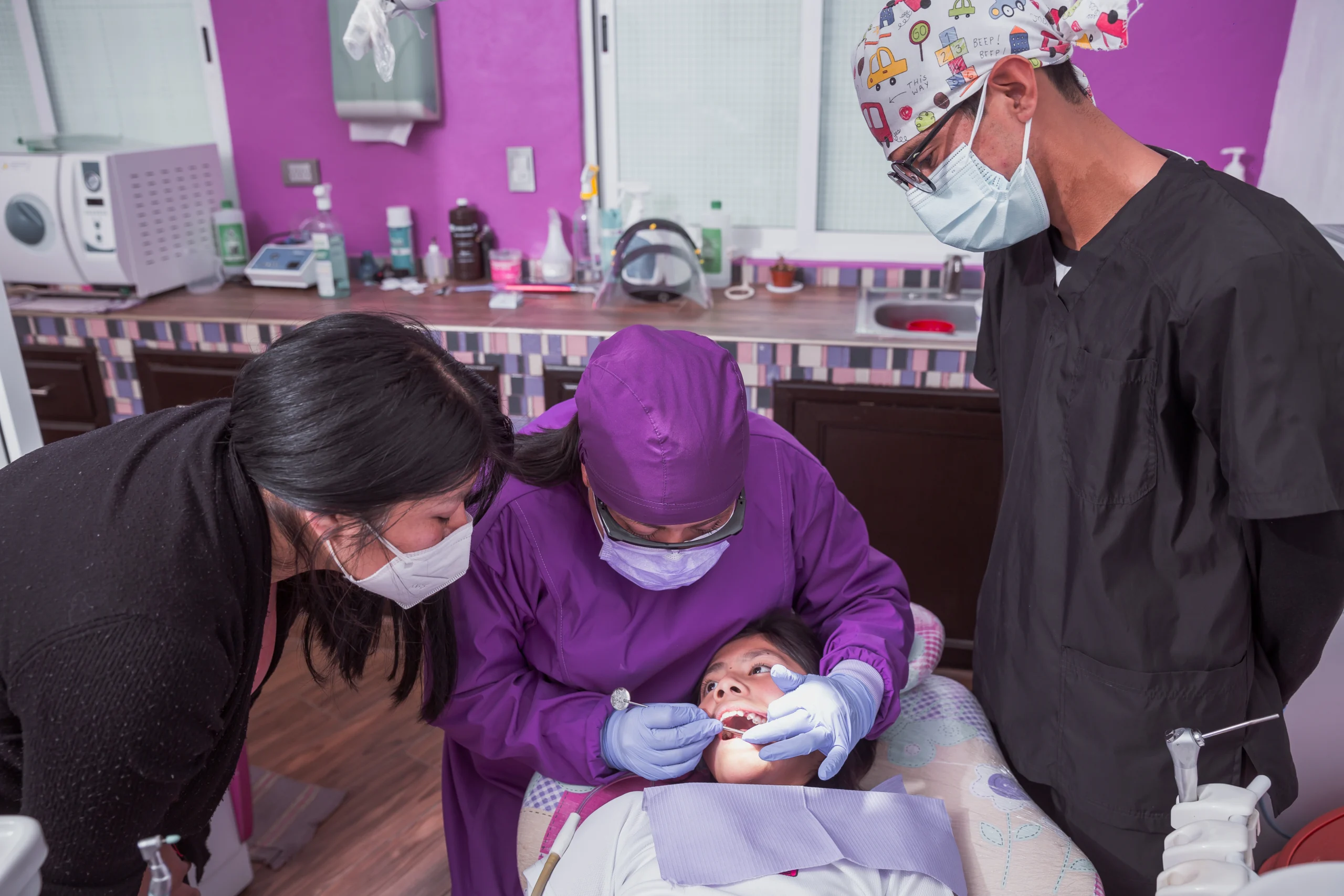
Restoration detail
Shade, contour and visible finish matter—but only after the restorative route itself is appropriate for the clinical situation.
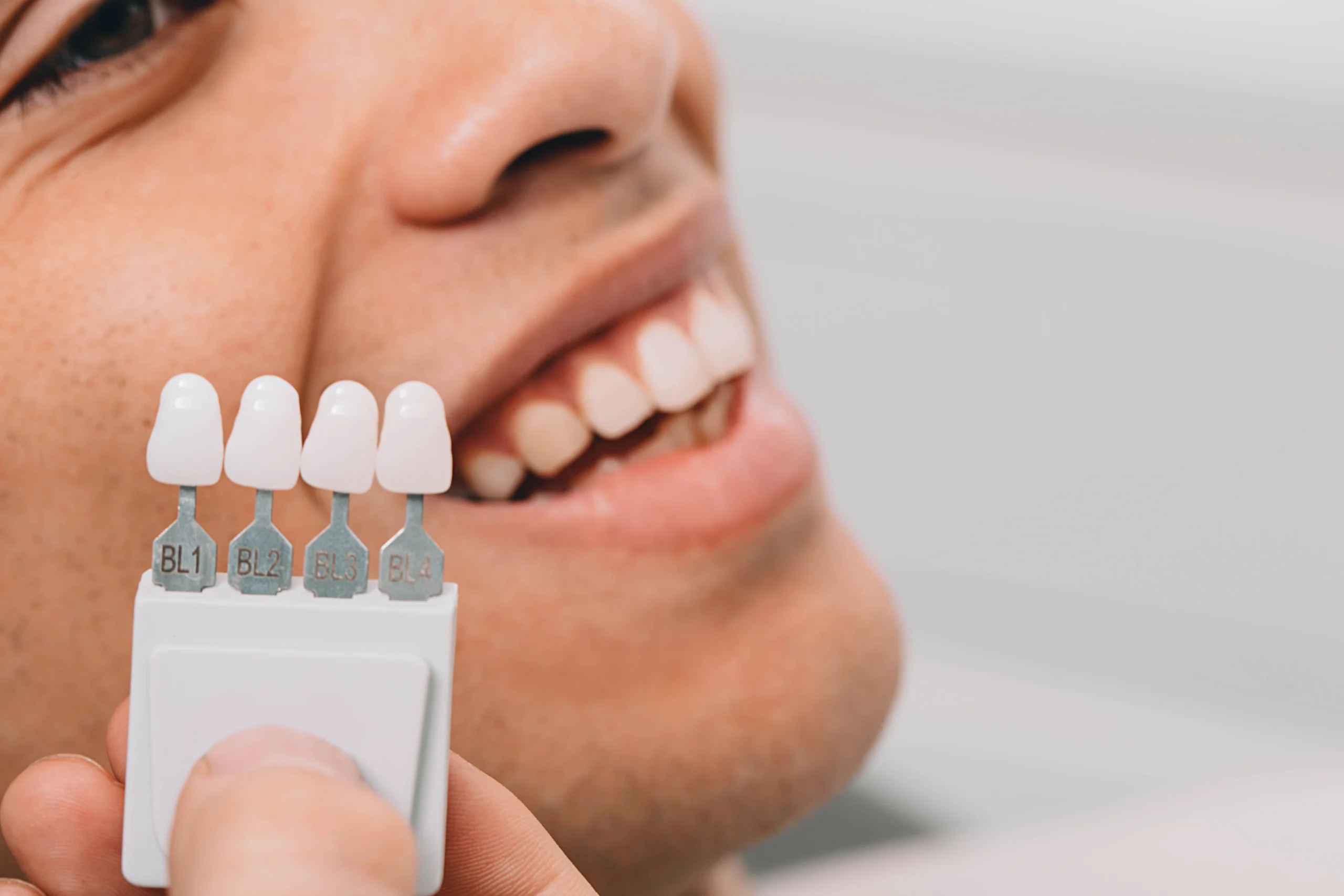
Restorative options
These are distinct fixed restorative options, not interchangeable names. Suitability depends on the individual case and the findings of the clinical team.
What it addresses A full-coverage restorative option that may be considered when a tooth needs broader structural restoration or protection.
What must be confirmed The remaining tooth, surrounding tissues, bite and reasonable alternatives should be assessed before it is recommended.
What it addresses A fixed restorative option that may be considered for a missing-tooth space.
What must be confirmed The supporting teeth, surrounding tissues, bite and other appropriate replacement routes require clinical evaluation.
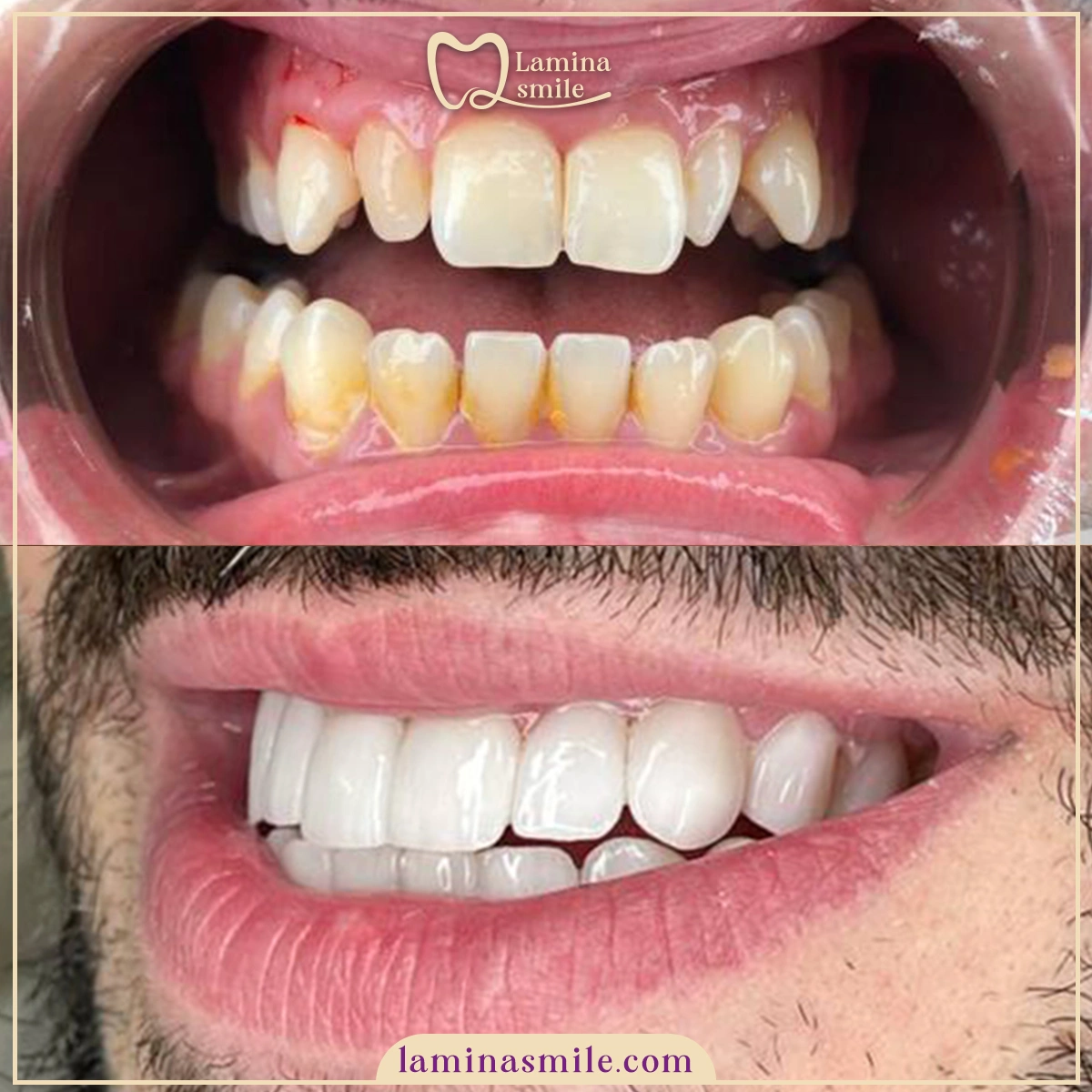
Clinic-supplied dental cases
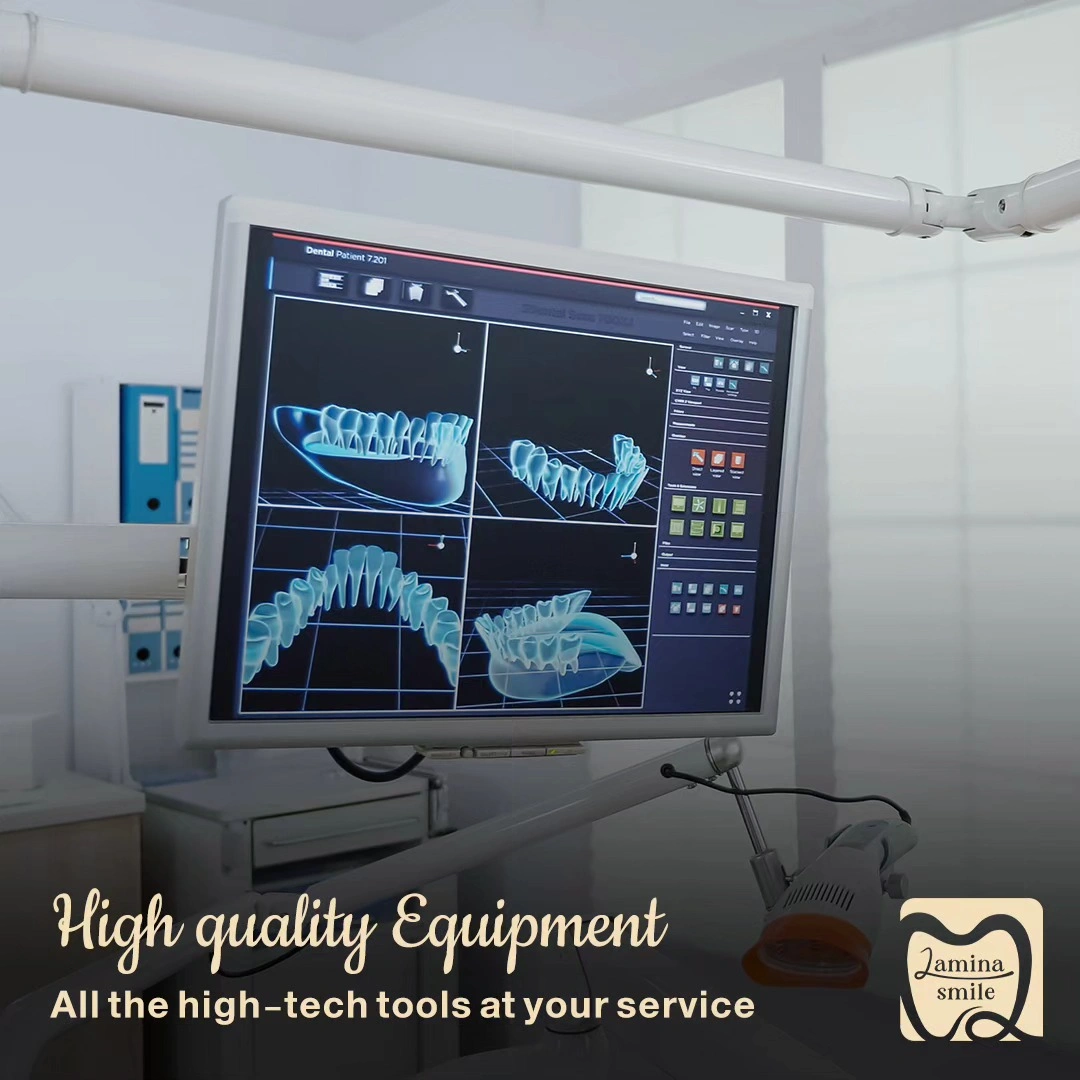
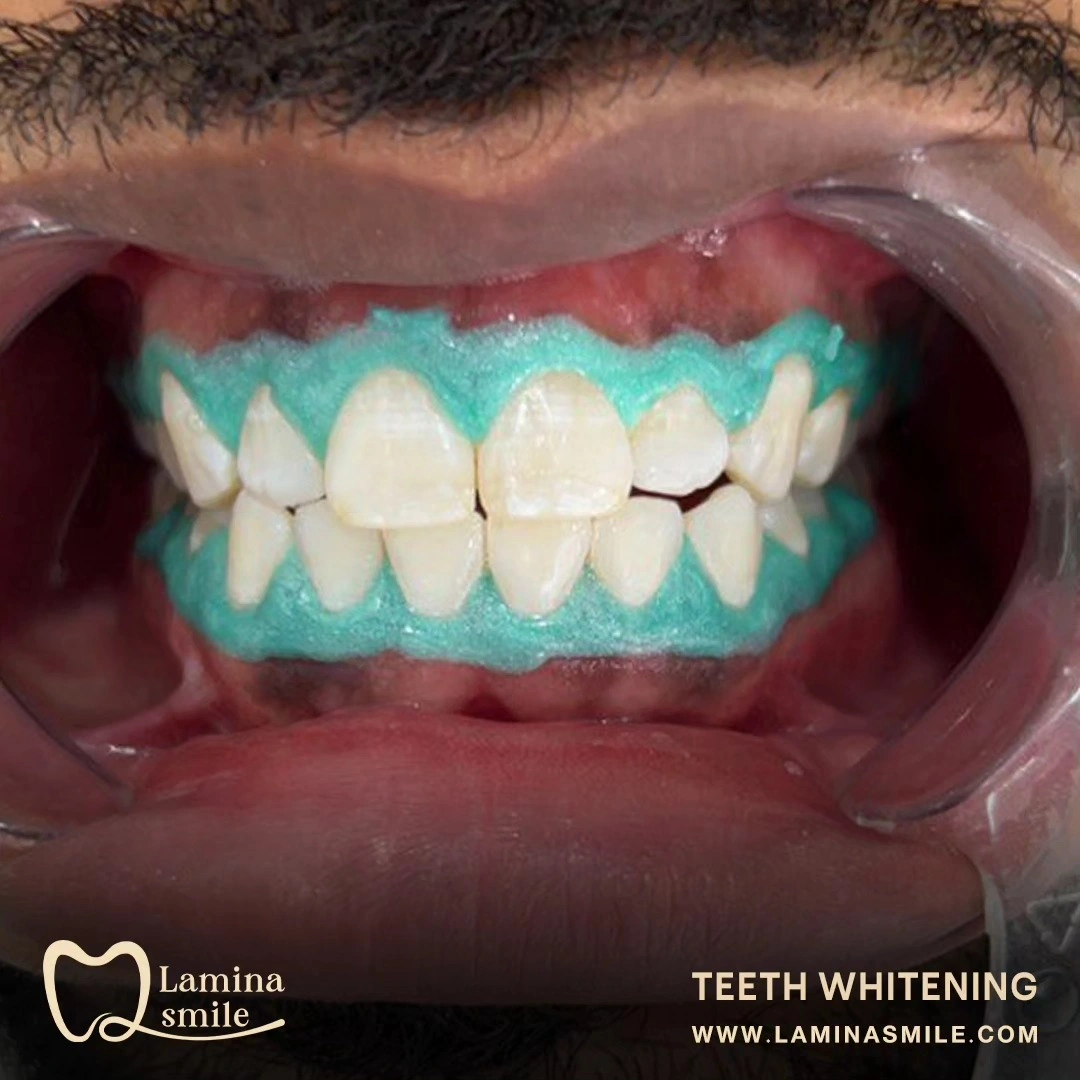
These images are visual references from Lamina’s own media. They do not establish which restorative treatment is appropriate for another person.
From review to confirmation
A remote review can begin the conversation. It cannot replace examination, diagnosis or final clinical consent.
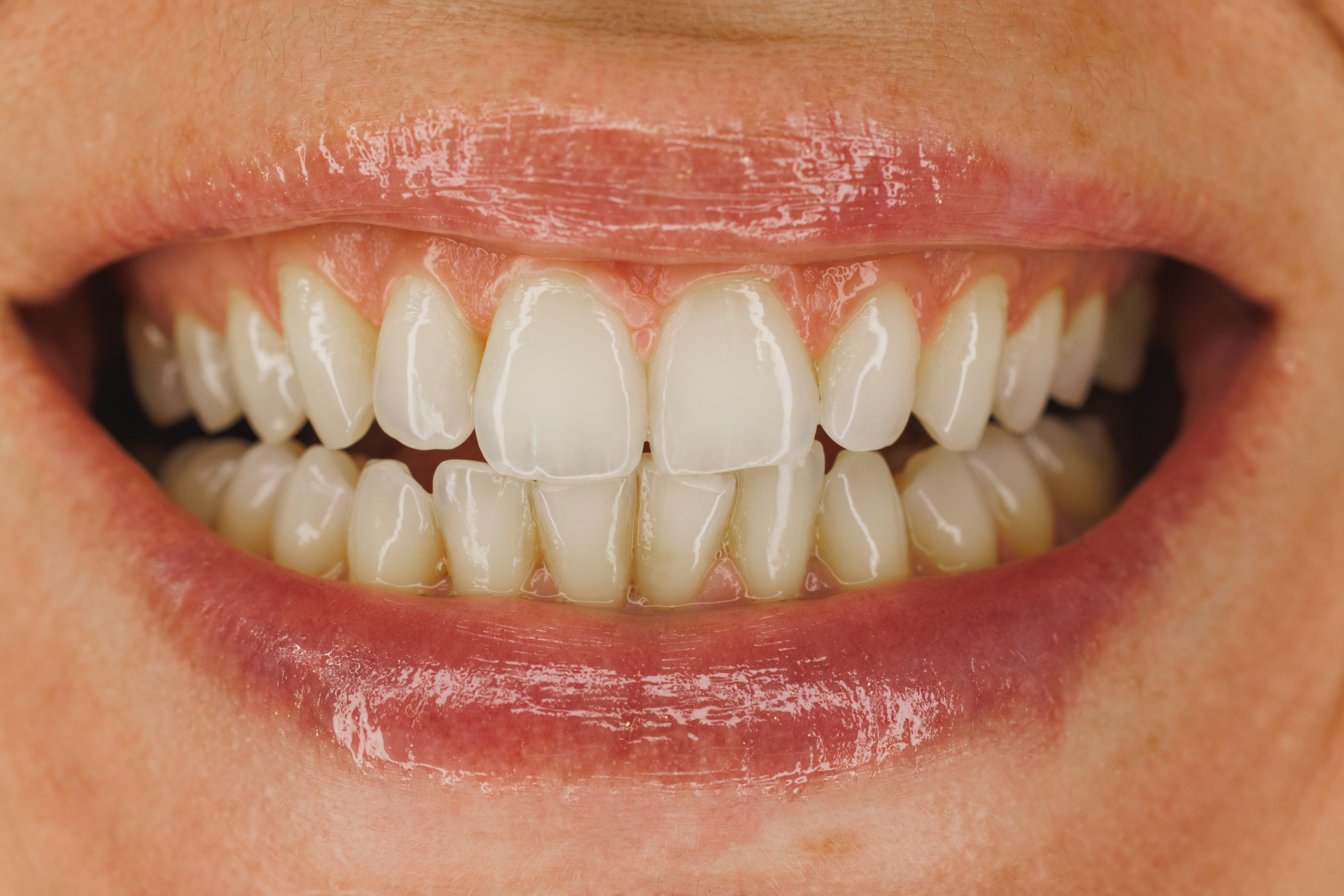
Explain what you notice, previous dental work and any advice or records you already have.
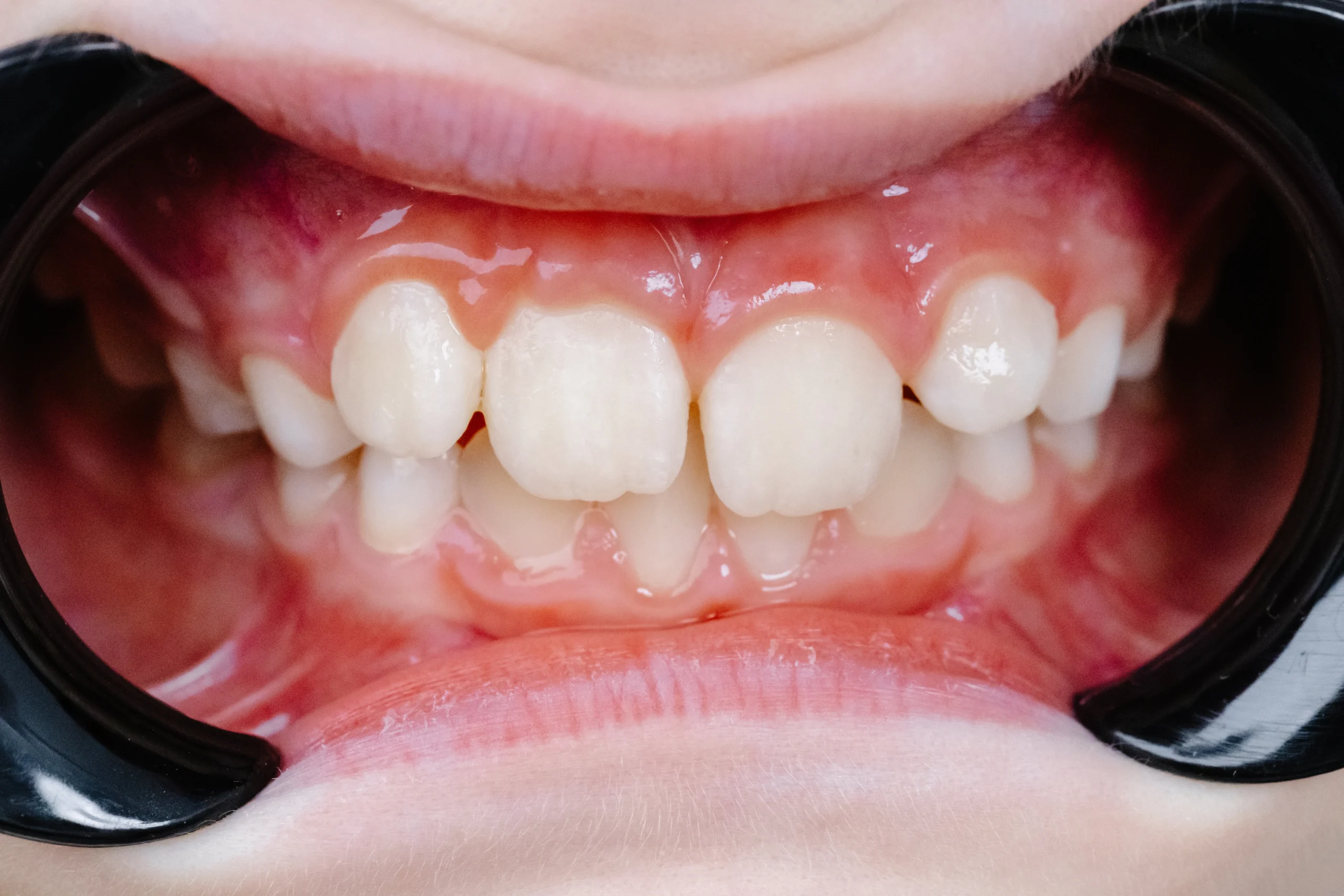
The tooth or missing-tooth space, supporting tissues and bite need appropriate clinical examination.
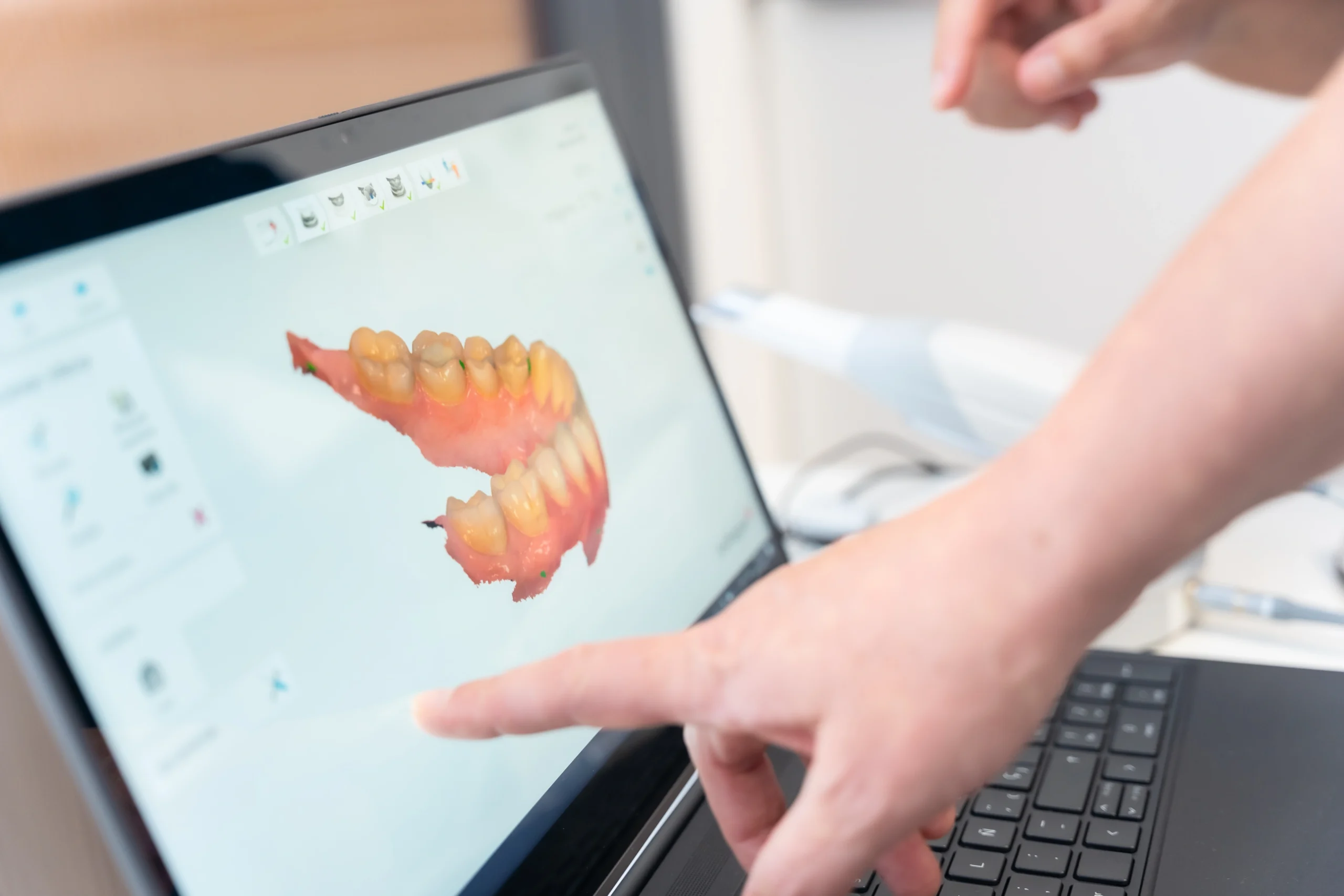
The clinical team can discuss whether a crown, bridge or another appropriate route should be considered.
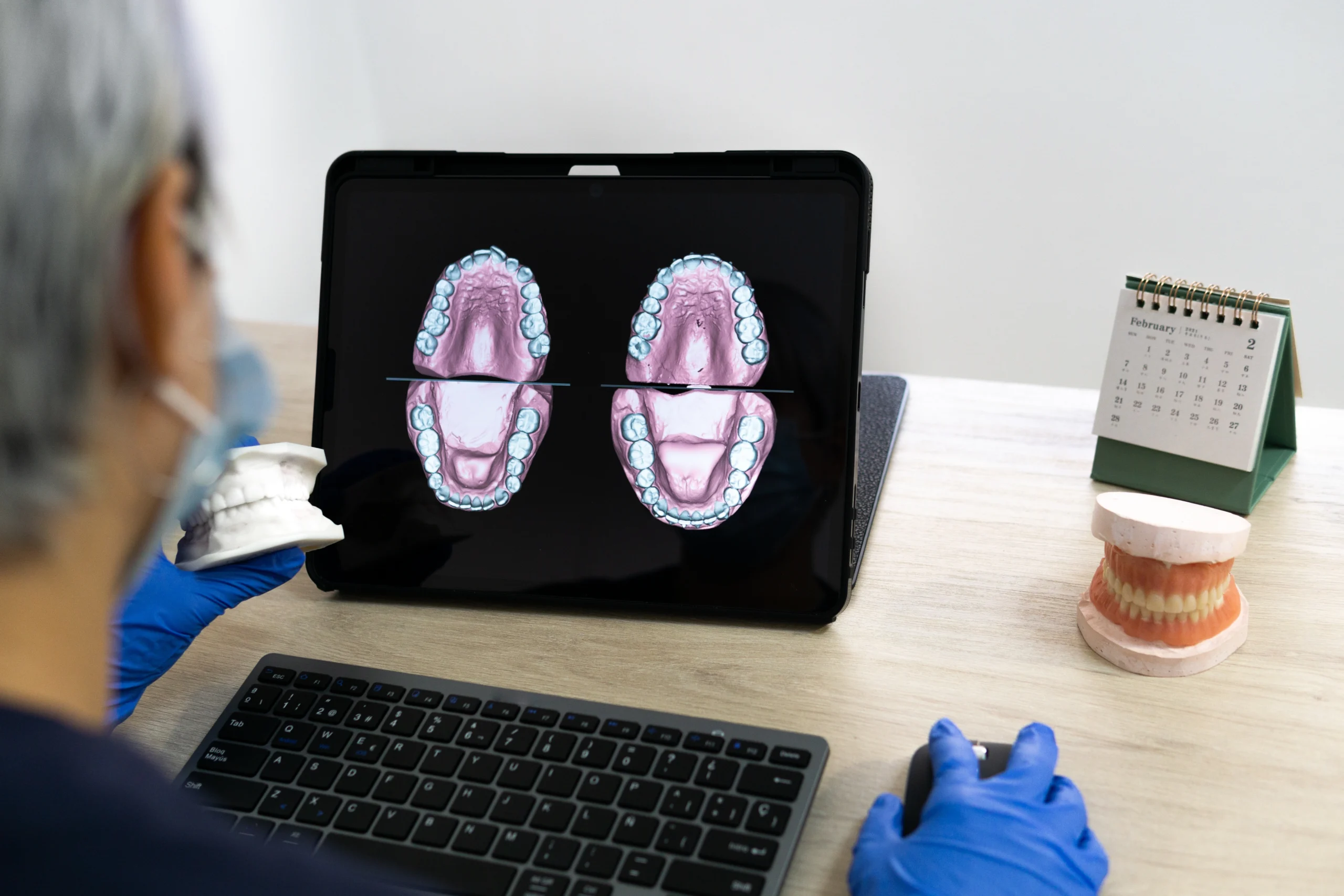
The definitive plan is agreed after assessment, explanation of alternatives and the required consent discussion.
Inside Lamina
A short look inside Lamina Clinic using the clinic’s own media. Examination, treatment planning and final recommendations remain individual to each case.
Before you decide
The answers stay general because the correct restorative decision depends on the individual clinical findings.
It may be considered when a tooth needs broader coverage or structural restoration. Suitability depends on the remaining tooth, surrounding tissues, bite and clinical findings.
It may be discussed for a missing-tooth space when the potential supporting teeth, gums, bite and wider treatment context are suitable. Alternatives should also be considered.
No. Shared information may support a preliminary discussion, but the definitive restorative plan depends on the required in-clinic examination and diagnostics.
No. The appropriate approach depends on the condition of the tooth and the available alternatives. A clinical assessment is needed before recommending treatment.
Start your assessment
Tell us what you are considering and share the information you already have. The first review can guide the conversation; final planning follows clinical assessment.
Start your assessment